How do I get first-time diners to come back?
A first visit usually leaves nothing behind. Someone ate well, paid, walked out, and there is nothing to address a reason to return to — which is the difference between an anonymous transaction and a member. Once someone signs up, what they tend to order is tracked, so a promotion can be aimed at the people it actually suits: a regular who orders the same two dishes is a different target from someone who tries something new every visit, and the system is built to tell the two apart.
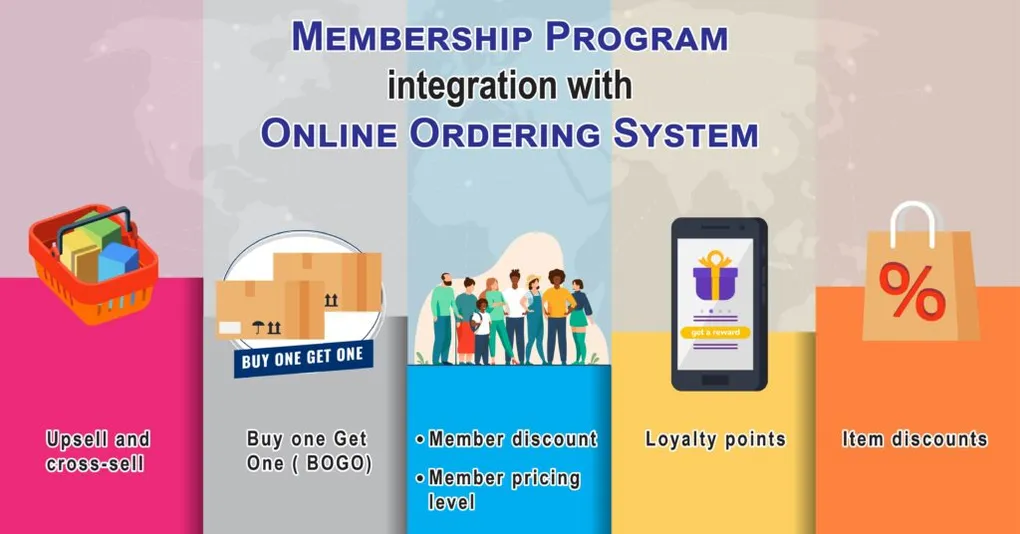
Points build as a member spends, and can be set to behave as store credit or to be exchanged for particular items, whichever way a restaurant wants loyalty to feel. Rewards can also be attached to specific purchases, so the dish being pushed this month carries its own point bonus while everything else stays on the flat rate. Every member’s past visits stay together in one place, so staff — or the owner, going back over it later — see a customer’s order history instead of starting from nothing each time they walk in.
The member has their own side of that record. They sign in to the member portal and see their own points, their vouchers, their transaction history, and whatever promotions are running — without asking the counter to look any of it up. And a membership built at your restaurant stays yours: members are not shared between different brands running the same system.
That history is what a reminder is built on. A new item on the menu, or an offer worth sending, goes to the customers whose past orders suggest they would want it, not to the whole list indiscriminately.
And none of it asks the customer to download anything: membership, points and promotions run through the same system that took the order.